Roof Bedding & Pointing in Melbourne
Seal and secure your ridge caps against water damage.
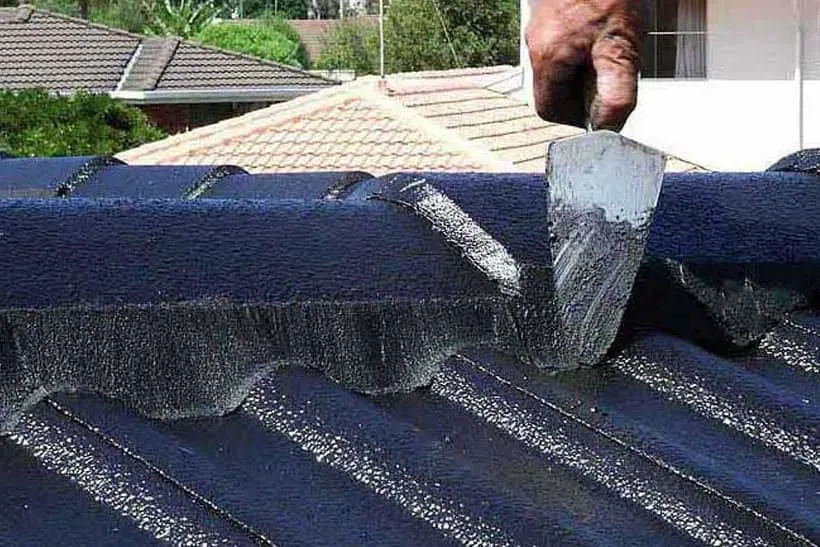
Roof bedding and pointing help to ensure adequate sealant around roof tiles, preventing water from entering and damaging the roof. Quality roof bedding and pointing must be done correctly to ensure the roof is secure for years to come.
Family-owned · Licensed & insured tradesmen · After-hours emergency inspections 7 days
Get a free bedding & pointing quote
Send us a few details and our team will be in touch. Obligation-free, no hidden costs — servicing Melbourne’s South East, Eastern suburbs and the Mornington Peninsula.
Call 1300 402 411The ridge caps that run along the top of a tiled roof are held down by bedding mortar and sealed with pointing — and once either starts to fail, water finds its way in and the caps work loose. Done properly, re-bedding and flexible pointing lock your ridge line back down and keep it watertight for years, standing up to Melbourne’s storms, heavy rain and summer heat.
Our experienced roofers often use specialised tools to complete this job correctly and ensure everything fits securely together. Issues can quickly arise without roof bedding and pointing, leading to costly repairs.
Signs your ridge caps need repointing
You can usually see it from the ground. Cracked or flaking pointing along the ridge line. Gaps where mortar has fallen away — often after a storm, when you may also find pieces of it in the gutters or on the paving below. Ridge caps that sit crooked or have visibly moved. And inside the house, a water stain on the ceiling near the top of the roof after heavy rain. One more test needs a ladder: a cap that sounds hollow or shifts when tapped means the bedding underneath has failed too, not just the pointing. Any of these is worth an inspection — the earlier a ridge line is caught, the smaller the job.
Bedding vs pointing — what is actually failing on your roof
These are two different layers doing two different jobs, and knowing which has gone tells you how big the job is. Bedding is the mortar bed the ridge caps sit on — it carries the weight and holds the caps in position. Pointing is the flexible compound applied over the top of that bedding to seal it against water. Pointing perishes first: it goes brittle, cracks and flakes away, and at that stage the fix is re-pointing alone. If the bedding underneath has also crumbled the caps will move or sound hollow when tapped, and the ridge line needs stripping back and re-bedding before new pointing goes on.
Why failed ridge capping causes damage well beyond the roof
The ridge line sits at the highest point of the roof, so once water gets past it, it runs down the inside of the tiles and into the roof cavity — soaking insulation, staining ceilings and, left long enough, rotting battens and ceiling timbers. That is why a cracked ridge line is worth attending to early: the repair is a fraction of the cost and disruption of the timber and plaster work that follows if it is ignored through a wet Melbourne winter.
Roof repointing and rebedding — the same work by other names
If a roofer has told you your ridge caps need repointing, or a building inspector has written "rebedding required" on a report, this page is that work. Roof repointing, ridge cap repointing, rebedding, re-bedding, re-pointing — the spelling varies, but underneath are the same two jobs described above: fresh mortar bedding where the old bed has failed, and flexible pointing over the top to seal it. The distinction matters when you are comparing quotes, because "repointing" from one operator can mean pointing straight over failed bedding — which looks right for a season and then cracks along the same lines. We tell you which of the two jobs your ridge line actually needs, and quote it that way.
Repointing terracotta, concrete and cement tile roofs
The ridge work changes with the roof under it. Concrete tile roofs are the straightforward case — strip, rebed, repoint. Terracotta needs more care: the caps are often decades older, the original bedding is usually a softer lime-rich mortar, and the tiles themselves are brittle enough that clumsy foot traffic creates the next repair — so the caps are lifted and handled, not levered. Cement and composite tiles sit in between, though more of them tend to crack during the job simply because of their age. In every case the flexible pointing compound is colour-matched to your caps, so a repointed ridge line reads as maintenance done, not as a stripe of the wrong grey along the top of the roof.
Our promise to you
- 7-Year Warranty on repairs completed
- Licensed roof plumbers — fully insured
- The same tradesmen quote & complete your job
- Honest inspection — we re-bed only what needs it
Our proven bedding & pointing process
A thorough, step-by-step system for lasting results — no shortcuts.
- 1 Inspection & Assessment We check the full ridge line for cracked pointing, drummy or moving caps and any water tracking, then tell you honestly whether you need re-pointing alone or full re-bedding.
- 2 Strip Back the Old Bedding Where the bedding has failed, ridge caps are lifted and the perished mortar removed back to a sound surface.
- 3 Re-Bed the Ridge Caps Caps are re-laid on a fresh mortar bed, aligned straight and set to the correct height so the ridge line sits true.
- 4 Flexible Pointing A flexible pointing compound is applied over the bedding — it moves with the roof as it expands and contracts, so it does not crack the way rigid mortar does.
- 5 Final Check & Clean-Up We check the whole ridge line, clear away debris and leave the site tidy — and show you photos of the finished work.
Recent Bedding & Pointing Work
Tap any photo to view it full screen.
Why Choose Roof Ready
Family-owned, over 20 years of experience, and genuinely passionate about keeping Melbourne roofs in great shape.
- Fast & Friendly Service
- Licensed & Insured Tradesmen
- Family-Owned
- Affordable Prices
- Obligation Free Quotes
- No Hidden Costs
- Skilled & Fully Qualified
- Servicing Melbourne
Rated 4.9★ by Melbourne homeowners — read our reviews:


Why Our Clients Rave About Us
-
“I would just like to say that Scott and his team have been fantastic during the roof repair and restoration that he's completed. Scott always kept me informed and consulted me throughout the process. He also completed a few odd jobs that I'd been putting off for a long time which is great. I would highly recommend Scott to anyone.”
Posted on Google -
“Prompt service. Scott is honest, reliable & he provides the best roofing options with high quality workmanship.”
Posted on Google -
“Scott is a prompt & good communicator who delivers what he promises, at an affordable price. Highly recommend Roof Ready.”
Posted on Google -
“Scott did a great job of fixing up our roof. I would highly recommend him.”
Posted on Google -
“Roof Ready repainted our roof and did a great quality job, was professional to deal with and well priced. Our 30 year old roof has come up looking brand new.”
Posted on Facebook -
“Great install of new roof panels, quick turn around and good price. Highly recommend.”
Posted on hipages
Frequently Asked Questions
What is the difference between bedding and pointing?
Bedding is the mortar that holds your ridge caps in place; pointing is the flexible compound applied over the bedding to seal it and lock everything in against water. Both are needed for a watertight ridge line.
How do I know if my roof needs re-bedding?
Cracked or crumbling mortar, loose ridge caps and leaks along the ridge are common signs. We inspect and give you an honest assessment before any work.
Is bedding and pointing part of a full roof restoration?
Yes — re-bedding and flexible pointing of your ridge caps is a core part of a full roof restoration, done before cleaning, sealing and coating for a watertight, long-lasting finish.
Do you do roof repointing on its own?
Yes — when the bedding under the caps is still sound, repointing alone is the right job and we quote it that way. But if the caps are loose or sound drummy when tapped, the bedding has failed too, and repointing over failed bedding does not last. That is when rebedding first is the honest recommendation, and the inspection tells us which one your ridge line needs.
How often does a roof need repointing?
There is no fixed interval — it depends on the original mortar, the roof’s exposure and how much the structure moves. Old rigid mortar pointing cracks much sooner than the modern flexible compounds we use, which move with the roof instead of fighting it. The practical rule: have the ridge line looked at if you can see cracked or flaking pointing from the ground, after any big storm, and whenever a roof inspection is happening anyway.